

 www.aquaponicsforbeginners.com ```html
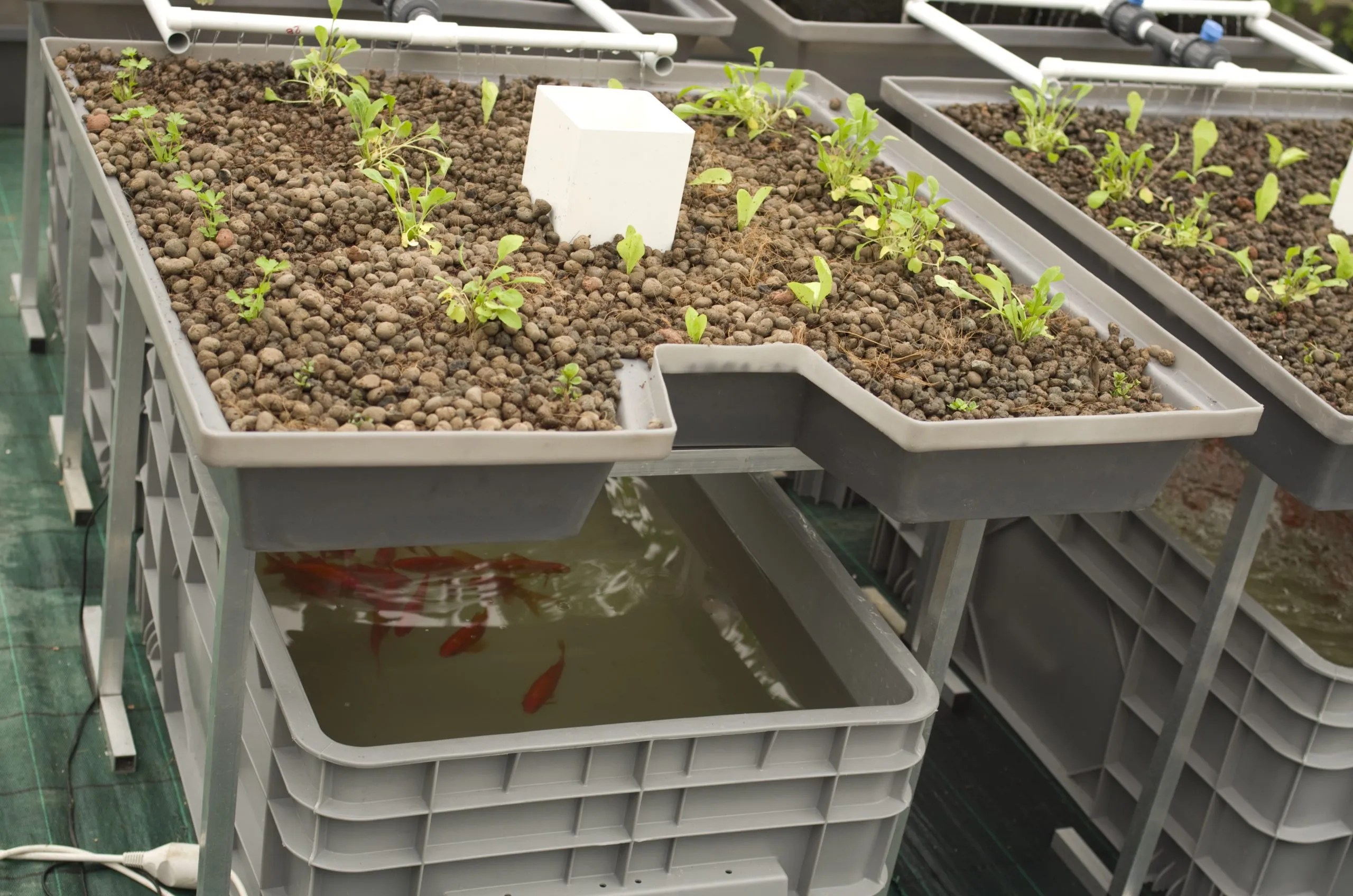
 Introduction: Building a Simple DIY Aquaponics System Aquaponics combines aquaculture (raising fish) and hydroponics (growing plants without soil) in a symbiotic environment. The fish waste provides nutrients for the plants, which in turn filter the water for the fish. This post will guide you through building a small, beginner-friendly aquaponics system perfect for learning the basics.
Materials You'll Need:
- A fish tank (e.g., a 10-20 gallon aquarium)
- A grow bed (a container slightly larger than the fish tank, made of food-grade plastic)
- Grow media (clay pebbles, lava rock, or similar inert material)
- A submersible water pump (rated for the size of your tank and grow bed)
- Flexible tubing to connect the pump to the grow bed
- A bell siphon (optional, for flood and drain systems) or a timer for the pump
- Air pump and air stone (for oxygenating the fish tank)
- Fish (e.g., goldfish or small tilapia)
- Seeds or seedlings of your chosen plants (leafy greens like lettuce and herbs are great for beginners)
- Optional: PVC pipes and fittings for a stand or to customize your system's design
Step 1: Setting Up the Fish Tank Start by cleaning your fish tank thoroughly with water. Avoid using soap or detergents, as these can be harmful to the fish. Place the tank in a location that receives indirect sunlight. Direct sunlight can cause algae blooms and overheat the water. Install the air pump and air stone in the tank. Fill the tank with dechlorinated water. Let the water sit for at least 24 hours to allow the chlorine to evaporate or use a dechlorinating solution specifically designed for aquariums.
Step 2: Preparing the Grow Bed Ensure your grow bed is clean and free of any debris. Rinse the grow media thoroughly to remove dust and fine particles that could cloud the water. Fill the grow bed with the rinsed grow media, leaving a few inches of space at the top.
Step 3: Connecting the Pump and Tubing Place the submersible water pump in the fish tank. Attach the flexible tubing to the pump's outlet. Run the tubing up to the grow bed, positioning it so that the water will flow evenly across the grow media.
Step 4: Setting Up the Flood and Drain Cycle (if using a bell siphon) If using a bell siphon, install it in the grow bed according to the manufacturer's instructions. Bell siphons automatically flood and drain the grow bed at regular intervals. If not using a bell siphon, use a timer to control the pump. Set the timer to turn the pump on for 15 minutes every hour or two, depending on the plants' needs and the size of your system. This will flood the grow bed and then allow it to drain back into the fish tank.
Step 5: Introducing the Fish Once the water in the fish tank has been dechlorinated and the system is running, you can introduce the fish. Start with a small number of fish and gradually increase the population as the system matures. Float the bag containing the fish in the tank for about 30 minutes to acclimate them to the water temperature. Then, gently release the fish into the tank.
Step 6: Planting Your Seedlings or Seeds Plant your seedlings or seeds in the grow media. If planting seeds, follow the instructions on the seed packet for spacing and depth. Gently water the grow media to help the seeds or seedlings establish themselves.
Step 7: Monitoring and Maintenance Regularly monitor the water quality in the fish tank. Check the pH, ammonia, nitrite, and nitrate levels. Perform partial water changes (about 25%) every week or two to maintain good water quality. Feed the fish regularly with a high-quality fish food. Observe your plants for any signs of nutrient deficiencies or pests. Adjust the pump timing or nutrient levels as needed.
Conclusion: Enjoy Your Aquaponics System Congratulations! You've successfully built a simple DIY aquaponics system. With proper care and maintenance, your system will provide you with fresh vegetables and a fascinating glimpse into the world of sustainable food production. Remember to research and adapt your system to meet your specific needs and environment. Experiment with different plants and fish to find what works best for you.
``` Component Of Aquaponics Systems
www.aquaponicsforbeginners.com Aquaponic Gardening Systems
 fity.club
 Aquaponics-what Is Aquaponics And How Does It Work?
 agromoris.com


0 komentar:
Posting Komentar